
Root Canal Treatment in Barrhaven, Ontario
Modern root canal treatment is a comfortable and effective way to relieve tooth pain and preserve your natural smile. Using advanced technology and gentle techniques, we remove infection, protect your tooth, and restore function.
Prevent Serious Tooth Infections with Root Canal Treatment
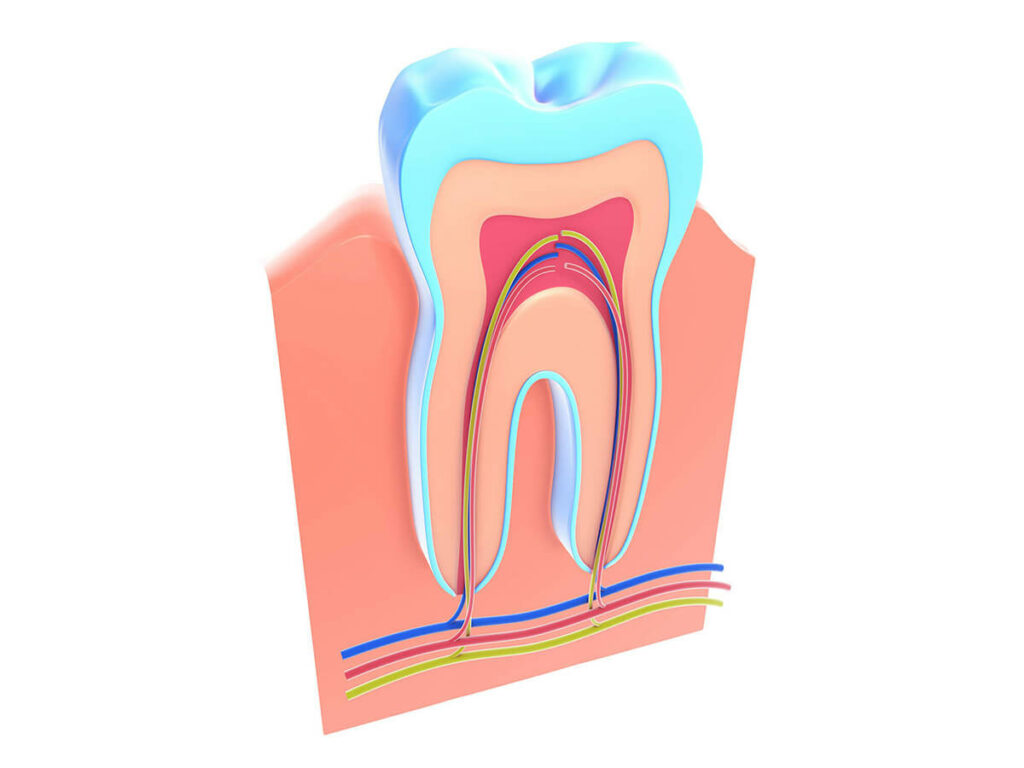
Root canal treatment is a safe, effective way to save a tooth that’s infected or severely inflamed. During the procedure, your dentist gently removes the damaged tissue inside the tooth, cleans and disinfects the root canals, and then seals them to prevent future infection. A crown is often placed afterward to restore strength and function. Root canals can relieve persistent toothaches, sensitivity to hot or cold temperatures, swelling, and pain when biting, allowing you to eat and smile comfortably again.
Thanks to modern technology, advanced numbing, and precise instruments, today’s root canals are typically quick, predictable, and far more comfortable than you might expect.
-
When do I need a root canal?
A root canal may be necessary when the soft inner tissue of a tooth (the pulp) becomes infected or inflamed, typically due to deep decay, a cracked tooth, or repeated dental procedures. Common symptoms include lingering sensitivity to hot or cold, sharp pain when chewing, swelling or tenderness in the gums, and a darkened tooth. Sometimes, there are no obvious signs, which is why regular exams are important. If you’re experiencing discomfort that won’t go away, our team can evaluate the tooth and help relieve the pain.
-
How is root canal treatment performed?
- Evaluation & X-rays: We examine the tooth, review X-rays, and confirm whether a root canal is the best solution for saving it.
- Comfort first: The area is numbed thoroughly, and we’ll explain each step so you feel informed and at ease.
- Access & cleaning: A small opening is made, then infected or inflamed tissue is carefully removed from inside the tooth.
- Shaping & disinfecting: The canals are gently shaped and cleaned to help prevent future infection.
- Filling & sealing: The space is filled with a biocompatible material and sealed to protect the tooth.
- Final restoration: A crown is often recommended to restore strength and function.
-
What is the aftercare process following a root canal?
After your root canal, a little extra care goes a long way in keeping you comfortable and protecting your tooth as it heals. It’s normal to feel mild soreness for a few days. Over-the-counter pain relievers and a soft diet can help. Avoid chewing on the treated side until your final restoration (like a crown) is placed. Keep brushing and flossing gently, and rinse with warm salt water if your gums feel tender. If you notice increasing pain, swelling, or a loose temporary filling, please call our office immediately.
-
What are alternatives to root canal treatment?
If root canal treatment is recommended, you may wonder whether other options exist. In some cases, an indirect pulp cap or pulpotomy may help when the tooth’s nerve is only mildly irritated, especially in younger patients. If the tooth can’t be saved, extraction is an alternative, followed by replacing it with a dental implant, bridge, or partial denture to restore function and appearance. Your best choice depends on the condition of the tooth, your overall health, and your long-term goals. We’ll explain your options clearly and comfortably.
Need More Information on Root Canal Treatment?
If you have additional questions on root canal treatment or have the symptoms mentioned above, contact our office today!