
Halitosis Treatment
Halitosis treatment is important because persistent bad breath often indicates underlying oral health issues, such as gum disease, dry mouth, or tooth decay. Addressing it early protects your teeth and gums, boosts confidence, and improves social comfort. Professional care and guidance can deliver long-lasting, healthy, and fresh breath results.
Bad Breath/Halitosis Treatment in Barrhaven, Ontario
Halitosis, commonly known as bad breath, is a frequent concern that can stem from oral bacteria, dry mouth, gum disease, cavities, certain foods, or underlying health conditions. Treatment begins with identifying the cause through a thorough dental exam, followed by improvements in daily hygiene habits, including thorough brushing, flossing, and tongue cleaning.
Your dentist may recommend professional cleanings, periodontal therapy, or restorative care if infection or decay is present. Staying hydrated and using appropriate mouth rinses can also help. Treating halitosis not only freshens your breath but also supports healthier gums, reduces inflammation, and boosts confidence in everyday conversations.
-
What are the causes of bad breath?
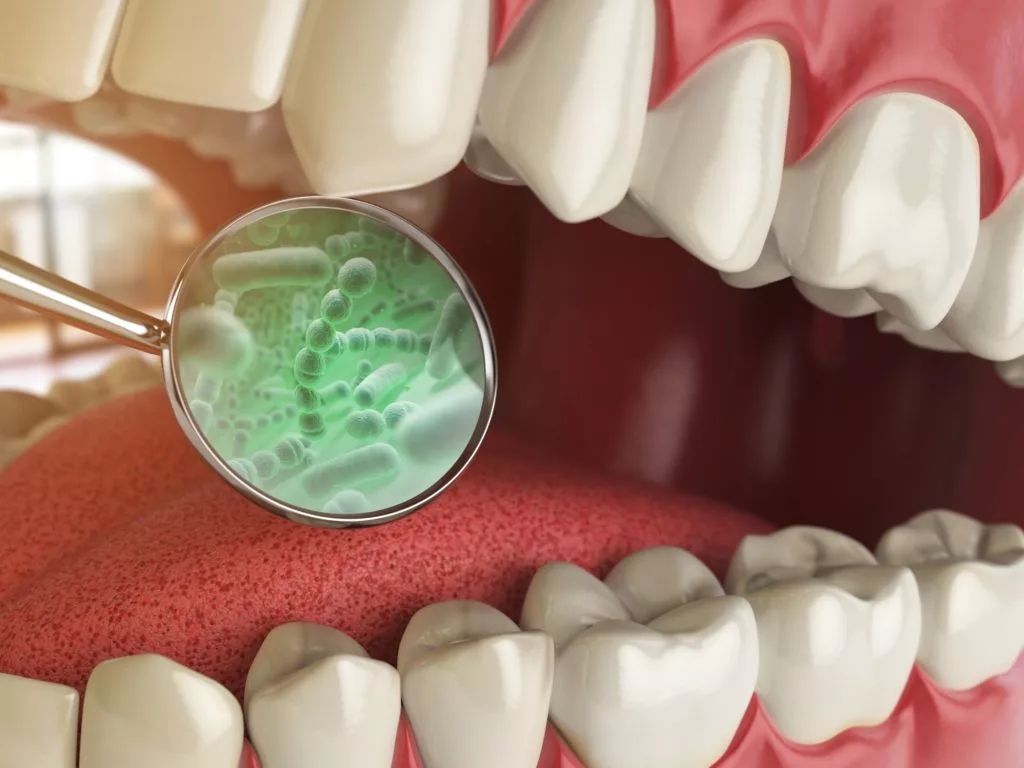
Bad breath is usually caused by bacteria that break down food particles and proteins in your mouth, releasing unpleasant odors. Common triggers include poor brushing and flossing, dry mouth (often from dehydration or certain medications), smoking, and foods like onions or garlic. Gum disease and cavities can also trap bacteria and worsen odor. Sometimes, the cause comes from outside the mouth, such as acid reflux, sinus infections, or other health conditions. The good news is that consistent oral hygiene and regular dental visits can help keep your breath fresh.
-
What is the best chewing gum for bad breath?
For fresher breath, the best chewing gum is sugar-free gum made with xylitol. Xylitol helps reduce odor-causing bacteria, while chewing stimulates saliva—your mouth’s natural way to wash away food particles and neutralize acids. Look for gums with the ADA Seal of Acceptance whenever possible, and opt for flavors like peppermint or spearmint for an extra clean feel.
Gum is a helpful short-term fix, but persistent bad breath can signal dry mouth, gum disease, or cavities, so regular dental visits still matter.
-
Does smoking cause bad breath?
Smoking is one of the most common causes of persistent bad breath. Tobacco smoke leaves strong-smelling chemicals on your teeth, tongue, and gums, and it also dries out your mouth, reducing the saliva that usually helps wash away odor-causing bacteria. Over time, smoking can worsen gum disease, another primary source of chronic halitosis.
The good news? Cutting back or quitting often leads to noticeable improvements, especially when paired with consistent brushing, flossing, and regular dental cleanings.
Have Questions About Bad Breath Treatment?
If you have more questions about our halitosis/bad breath and our treatment options, contact us or schedule an appointment using the links below, or explore the variety of other dental services we provide.